Intracytoplasmic Sperm Injection or ICSI is an advanced step in the IVF treatment technique. During ICSI, an embryologist selects a single healthy sperm and injects it directly into the center of a single mature egg (oocyte) cytoplasm with a very fine needle called a micropipette. ICSI has revolutionized the treatment of male infertility by helping men with poor-quality sperm achieve fatherhood, transforming outcomes in the past couple of years. This refined approach is a key part of ICSI treatment, especially for couples needing advanced fertility treatment and improved ICSI success rates.
Enquire Now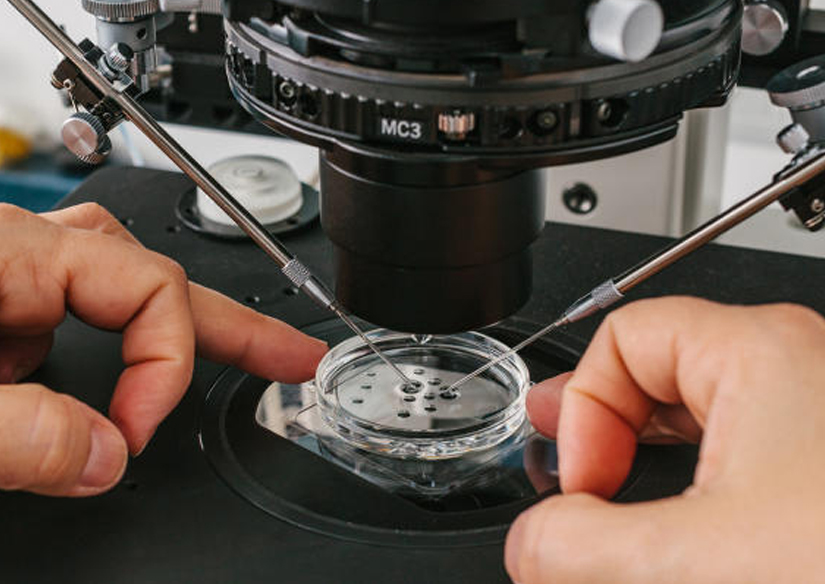
We use ICSI in conjunction with an IVF cycle when fertilization is unlikely to occur using only conventional IVF. ICSI is typically appropriate when there is a significant male factor contributing to infertility.
After introductory consultation, the process begins with stimulating the ovaries from Day 2 or Day 3 of the menstrual cycle. Daily HCG injections are given for 10-12 days. Our fertility expert monitors the development of the follicles using ultrasound and blood investigations at regular intervals to control the size and quality of follicles.
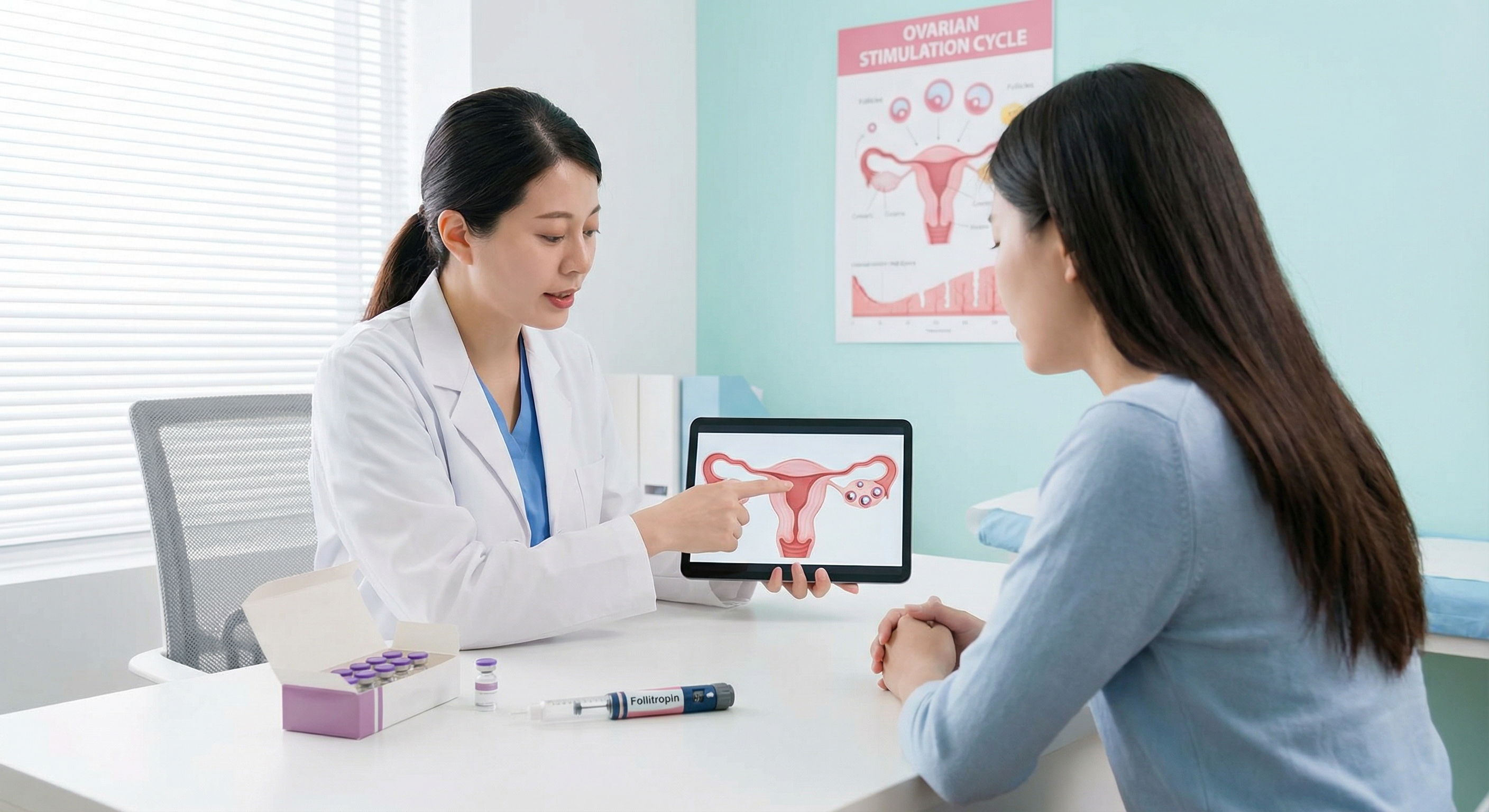
After 10-12 days of stimulation, a final injection (trigger) is given for egg maturation. After 34-36 hours, the egg retrieval takes place with general anesthesia in the Kindle Womb IVF unit. This delicate procedure ensures mature eggs are collected and swiftly transferred to the lab.
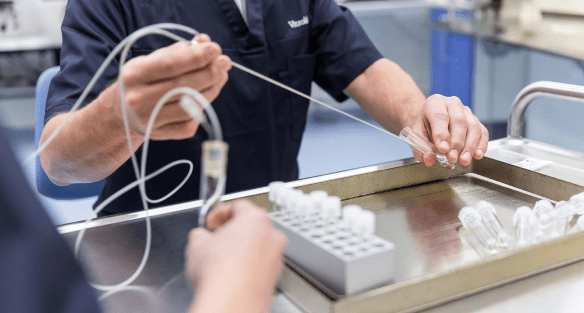
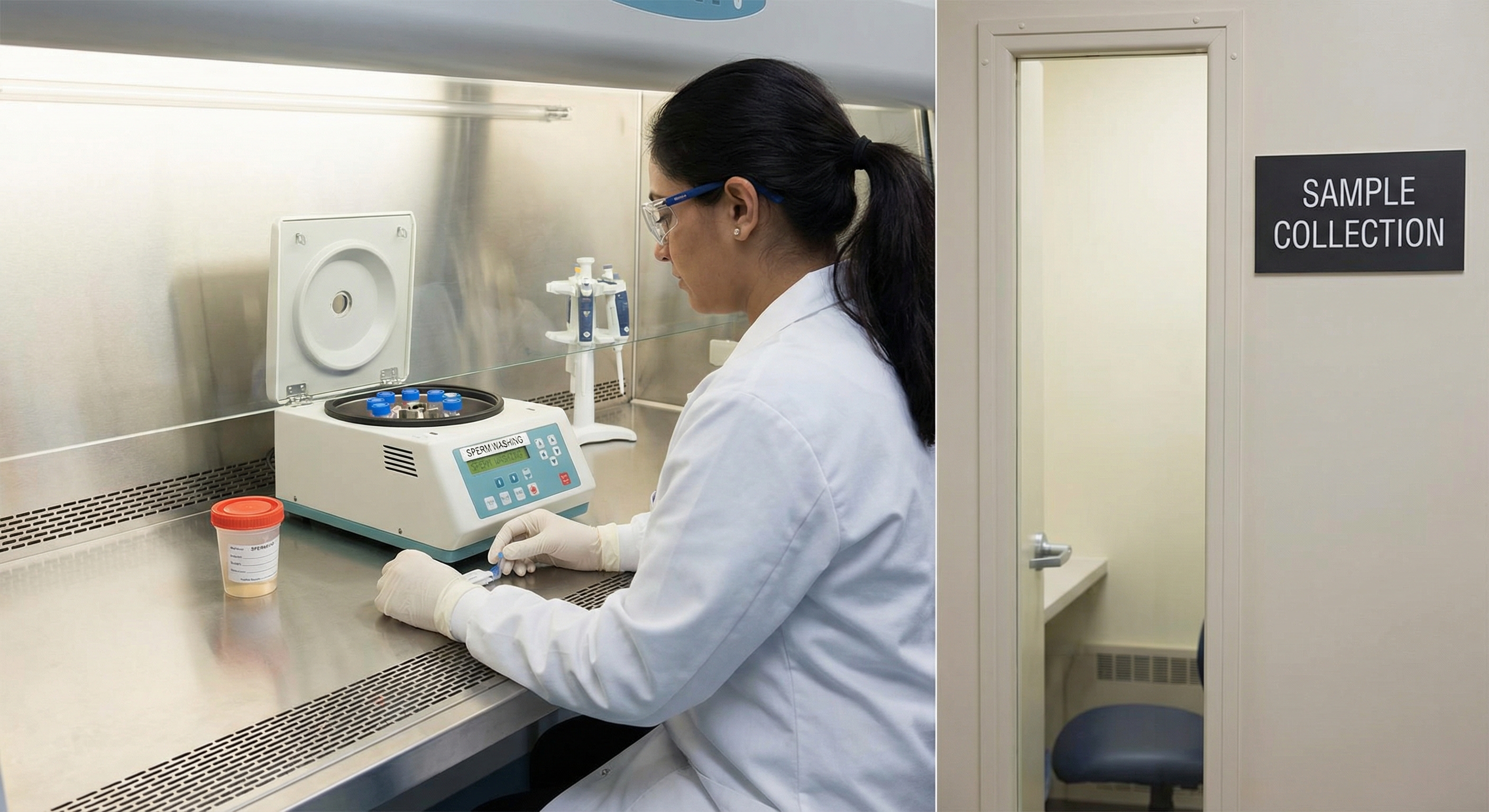
On the same day of egg retrieval, a fresh sperm sample is collected from the male partner. If needed, sperm can be extracted surgically from the testicles or epididymis using procedures like TESA or PESA. The collected sperm is then processed, and the healthiest sperm is selected.
This is the core ICSI step: embryologists select a single healthy sperm and inject it directly into the center of the egg. This process bypasses any potential issues with sperm mobility or penetration. Embryo observation begins immediately and continues for 2 to 6 days as they develop.
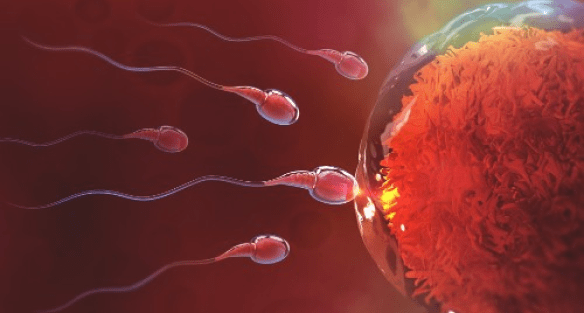
After successful fertilization, the embryo development process continues in our state-of-the-art incubator. The Day 5 or Day 6 stage from fertilization is called the Blastocyst stage. Culturing to this stage helps select the strongest, most viable embryos for transfer.
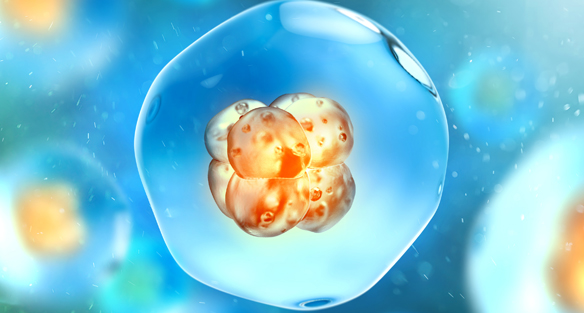
Based on the quality and growth of the embryos, the best embryo(s) are transferred into the uterus of the female partner. This is done using a small, gentle Catheter, often guided by ultrasound, to ensure precise and successful placement.
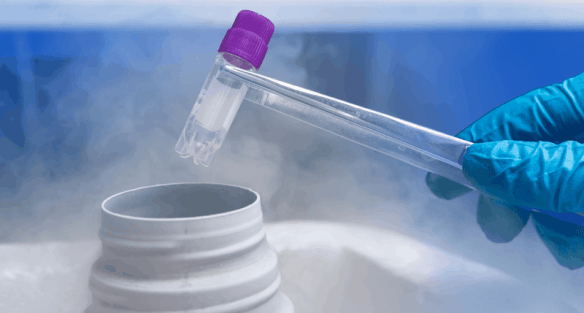
After the transfer, medicine may be prescribed to support implantation. Pregnancy tests are conducted by our fertility experts after the 14th day (or 2 weeks) to check the result, offering crucial support and guidance throughout the process.

Our commitment to advanced male infertility solutions ensures you receive the highest chance of achieving your dream of parenthood.
Schedule Your Consultation