At Kindle Womb IVF, we understand the deep desire for parenthood. Our Donor IVF services provide ethical, safe, and legally compliant pathways for couples seeking infertility treatment in India when they cannot conceive using their own gametes. We offer Donor Egg and Embryo Donation services, fully adhering to the latest Indian ART (Regulation) Act 2021 standards.
Schedule Your Donor ConsultationThe most common reason couples choose egg donation is diminished ovarian reserve or poor egg quality due to advanced maternal age, or premature ovarian failure. Utilizing eggs from a young, healthy donor significantly increases the chance of a successful pregnancy.
Donor eggs are sourced from healthy young women, typically between 23 and 35 years old (as per national guidelines). Donors undergo rigorous psychological, medical, and genetic screening, including a thorough family history review, physical exam, and ovarian reserve assessment. Anonymity is maintained between the donor and the recipient couple, as mandated by law.
After donor selection, the process begins on Day 2 or 3 of the donor's cycle. Daily FSH/HMG injections are given for 10-12 days to stimulate multiple follicle growth. Our fertility expert monitors development closely using ultrasound and blood tests to ensure safety and optimal egg quality.

Once follicles mature, a final 'trigger' injection is given. After 34-36 hours, the eggs are collected using a minor procedure under general anesthesia at the Kindle Womb IVF unit. The mature eggs are then swiftly transferred to the laboratory.

On the same day of egg retrieval, a fresh sperm sample is collected from the male partner. If necessary (e.g., azoospermia), sperm can be extracted surgically. The sample is processed to select the healthiest and most motile sperm.
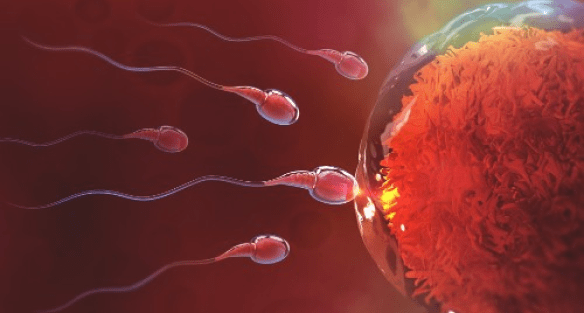
The donor eggs are fertilized using the recipient partner's sperm, typically using ICSI (Intracytoplasmic Sperm Injection), where a single healthy sperm is injected directly into each mature egg. The resulting embryos are observed as they develop in the incubator for 2 to 6 days.
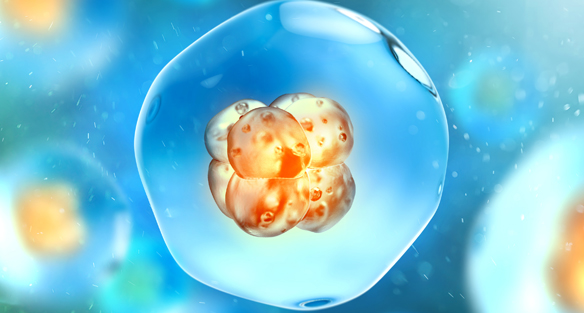
The embryos are cultured until they reach the Blastocyst stage (Day 5/6), which helps select the most viable embryos. Simultaneously, the recipient mother's uterine lining is prepared using medication to ensure optimal receptivity for implantation.
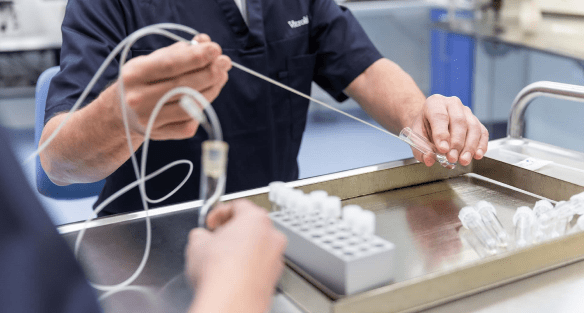
The best embryo(s) are transferred into the recipient female partner's uterus using a small, gentle Catheter, often guided by ultrasound. This is a crucial, painless step designed for precise placement.

Following the transfer, supportive medicine is prescribed. A blood pregnancy test is conducted after the 14th day (or 2 weeks) by our experts to confirm the result and begin the next phase of maternal care.
All donor services at Kindle Womb are managed under the strict guidelines of the Indian ART Act 2021 to ensure the security and rights of all parties:
Embryo donation, sometimes referred to as 'embryo adoption,' is the process where a couple receives a frozen embryo that was created and donated by another couple who successfully completed their family through IVF and chose to donate their excess embryos.
This option is ideal for couples facing untreatable infertility involving both male and female factors (requiring both donor sperm and donor eggs), or for single women where both gametes are compromised. It is often a cost-effective alternative to using separate donor eggs and donor sperm.
The process is simpler than a fresh donor egg cycle as it bypasses the donor stimulation and retrieval phase: